Honoring Survival, Strength, and Transformation
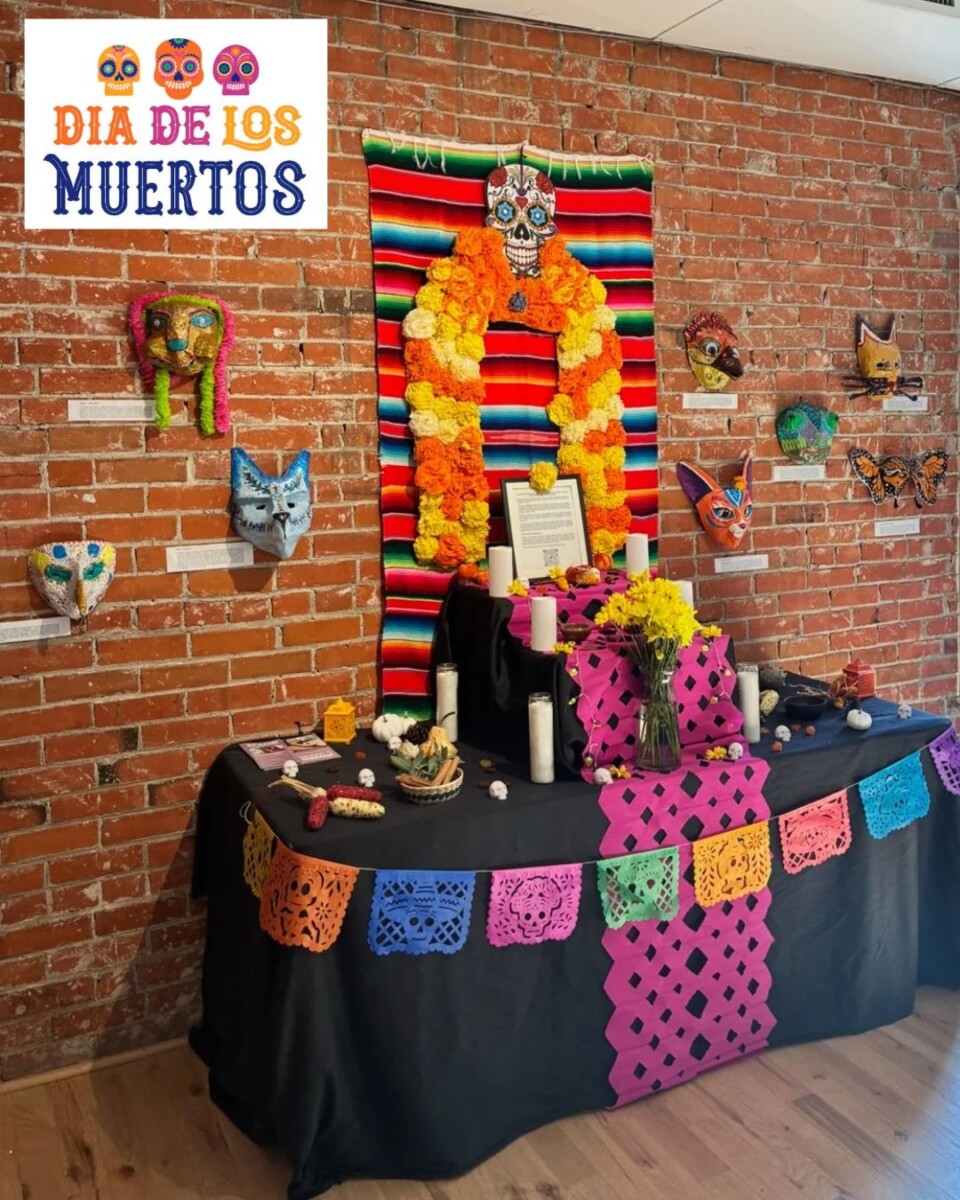
Every year, SPAN’s Día de Muertos ofrenda creates space to remember those who lost their lives to domestic violence and honor their stories. It is also an opportunity to recognize the experiences of survivors whose journeys toward healing, freedom, and connection continue.
This year, the tribute carries a sobering reminder of the toll domestic violence continues to take on Colorado communities. According to the annual report of the Colorado Domestic Violence Fatality Review Board, published by the Colorado Attorney General’s Office, 78 deaths across 57 domestic violence-related cases were identified in 2025, compared with 72 deaths across 54 cases in 2024.
Behind every statistic is a life, a story, and a community affected by loss. Domestic violence is neither a private matter nor an isolated problem. It calls for awareness, education, access to resources, and a community willing to recognize abuse and respond with care.
Remembering those who lost their lives also invites us to consider what we can do to recognize the warning signs of abuse, listen without judgment, support those experiencing violence, and help connect them with resources that can support their safety.
The Stories Behind the Masks
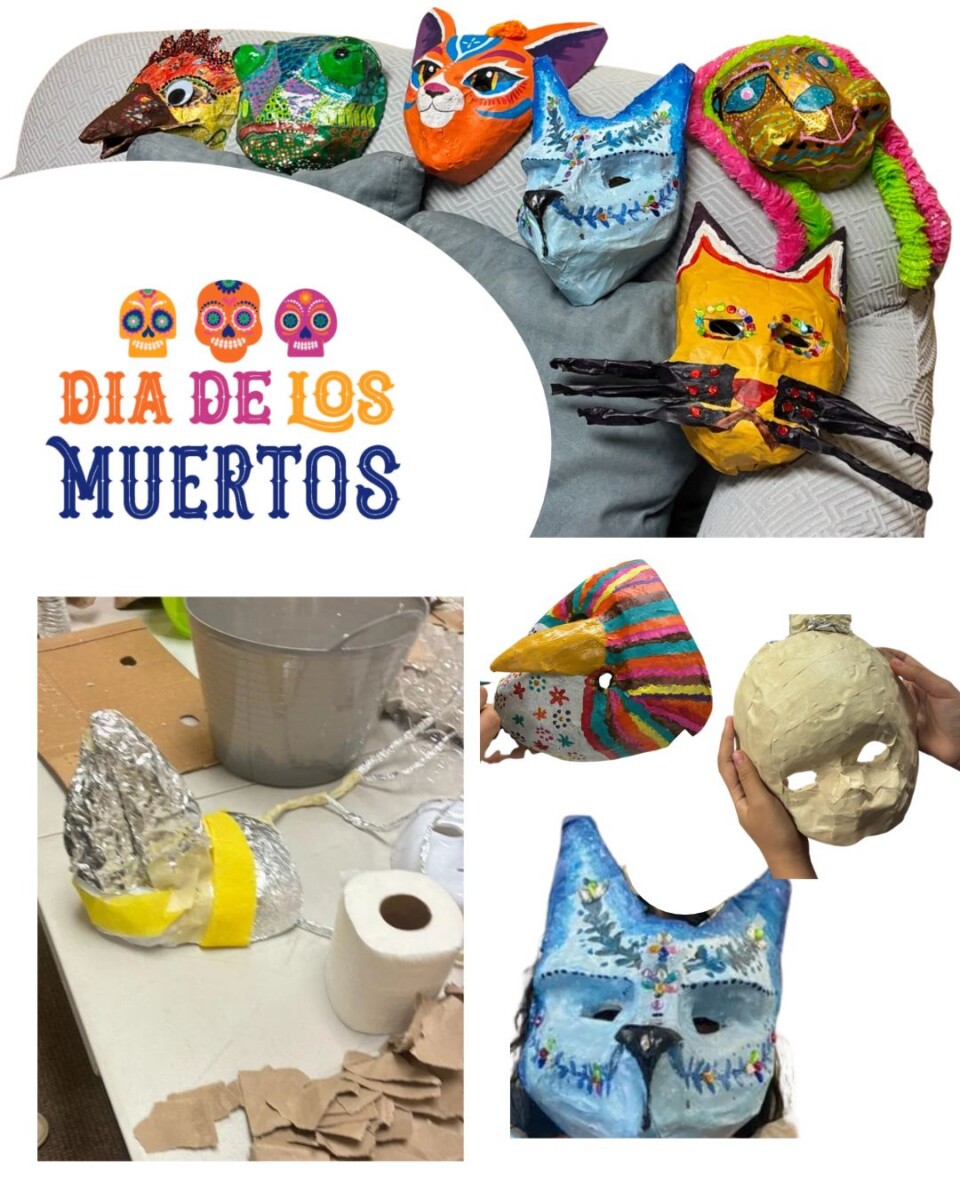
Inspired by alebrijes, the colorful, imaginative creatures associated with Mexican folk art, the animal masks created by participants in SPAN’s Grupo de Apoyo Para la Comunidad Latina and Family Resiliency Program reflect qualities that hold personal meaning in their lives.
The toad, butterfly, jaguar, wolf, eagle, and other animals represent different experiences of strength, transformation, freedom, and connection. For some participants, an animal symbolizes the possibility of beginning again. For others, it represents learning to set boundaries, asking for help, finding community, or moving forward one day at a time.
Each mask tells a unique story of resilience and personal growth. Together, these stories remind us that healing does not follow a single path or timeline. Strength can mean reclaiming independence, finding the courage to seek support, or learning to honor one’s own needs and choices.
The Toad: Reclaiming Freedom (C, age 74)
For C, the toad represents metamorphosis and the possibility of change. After 40 years in an abusive marriage, she made the decision to leave and move to another state to reclaim her freedom and autonomy.
Starting over in Colorado meant learning new skills, finding resources, and reinventing her life. Along the way, she also worked to let go of shame and the judgment of others, recognizing her own worth.
Her toad reflects an important realization: it is never too late to reclaim your freedom and begin again.
The Monarch Butterfly: Embracing Transformation (M, Age 71)
For M, the monarch butterfly symbolizes transformation, renewal, and new beginnings. After 23 years in an abusive relationship and a second divorce at age 70, she began rediscovering herself and what she wanted for her life.
The butterfly reminds her that every stage has its own pace. Healing takes time, and moving forward does not have to happen all at once. Step by step, M is reclaiming her autonomy and making room for her dreams, choices, and well-being.
The Eagle: Finding Strength and New Perspectives (Z, Age 47)
The eagle represents freedom, strength, and the ability to see beyond obstacles. Z has faced both cancer and an abusive relationship, experiences that have shaped her understanding of life, self-care, and what she deserves.
Through these challenges, she has learned to value her life and recognize her right to dignity, health, and happiness. For Z, the eagle is a reminder that she can trust herself, reclaim her dreams, and make her own well-being and freedom priorities.
The Jaguar: Courage and Self-Protection (AM, Age 64)
For AM, the jaguar represents courage, determination, inner strength, and protection.
Its symbolism offers a reminder that everyone deserves respect and the right to live free from threats and violence. Asking for help can take courage. Setting boundaries is valid. And no one has to face every challenge alone.
The jaguar also represents a different understanding of strength: it does not mean enduring everything. It can mean recognizing when support is needed and choosing what promotes personal safety and well-being.
The Phoenix: Making Room for New Beginnings (E, Age 52)
After years in an abusive relationship, E found in the phoenix a symbol of rebirth, hope, and new beginnings.
Her story reflects the possibility of transforming one’s life regardless of age or how many years someone has spent in a marriage. Like the phoenix, a person can rediscover herself, reclaim her dreams, and build relationships grounded in respect.
Rising again does not mean forgetting what happened. It means recognizing that the past is part of one’s story without allowing it to define the future.
The Cat: Independence and Supporting a Loved One (I, Age 54)
For I, the cat represents independence, curiosity, and adaptability. She left an abusive relationship many years ago and now draws on her own experience as she supports one of her daughters who is navigating a similar situation.
She offers her daughter love, care, and support while respecting her daughter’s individual process and encouraging her to reclaim her autonomy.
Her story highlights the importance of supporting someone without taking over their decisions. Being there for a loved one can mean listening, offering care, and allowing them the space to determine their own path.
The Cat: Finding Connection Through Creativity (M, Age 68)
M is a survivor of childhood violence who continues to experience sadness as an older adult. Through SPAN’s programs, she has found inspiration, connection, and opportunities to express herself creatively.
For M, the cat symbolizes listening to her own needs, respecting her boundaries, and allowing herself to rest and simply be herself.
SPAN’s support group offers a place where she feels seen and connected to others. Through art and shared experiences, she can reconnect with her creativity and experience a sense of belonging.
Her story reminds us that support and connection matter at every stage of life.
The Wolf: Discovering Strength in Community (M, Age 24)
Growing up with an abusive, machista father shaped M’s early associations between single motherhood and fear, suffering, and shame. Today, as a single mother and survivor of domestic violence, she has reclaimed her autonomy, power, and self-confidence.
Choosing the wolf mask helped her transform her relationship with an animal she once feared. She now sees the wolf as a symbol of loyalty, intuition, and connection.
Through SPAN, M and her daughter found a community and support network that accompanied them along the way. Like wolves living in a pack, they were reminded that they did not have to navigate their experiences alone.
Today, M recognizes that she deserves relationships in which she is cared for, respected, and free to be herself.
The Deer: Moving Forward at Her Own Pace (G, Age 38)
The deer represents sensitivity, intuition, gentleness, and the ability to remain alert.
G is still navigating an abusive relationship. Although she has tried to leave several times, she has encountered barriers that have led her to return. She is learning to recognize that this process takes time and is allowing herself to move forward one day at a time.
Through this process, G is learning to listen to and honor her emotions, recognize when she does not feel safe, and establish boundaries that protect her well-being.
Like the deer, she is learning to move carefully and at her own pace, without losing her ability to trust, love, and seek peace.
Her story is a reminder that every person’s circumstances are different and that support should honor each person’s choices and needs, wherever they are in their journey.
The Eagle: Imagining a Different Future (D, Age 44)
As she works toward leaving a long-term abusive relationship, D has found in the eagle a symbol of strength, freedom, and new perspectives.
She is gathering the courage to make decisions about her future, break generational patterns, and write a new story for her family. The eagle reminds her that she can spread her wings and trust that she deserves a different future, one where freedom and safety are possible.
D’s words capture the hope she is carrying forward:
“My story does not define all my horizons. I have the right to fly toward a future where I can live freely and safe…”
Art, remembrance, and the power of connection
Each mask tells a different story. Some reflect the freedom of beginning again. Others speak to setting boundaries, finding community, or learning to recognize and honor personal needs. Together, they remind us that strength takes many forms and that healing is not a straight line.
Through this collaborative project, SPAN’s participants bring personal meaning to an art form rooted in cultural expression and imagination. The ofrenda honors those who have died while creating space for survivors’ experiences, creativity, and voices.
It also offers the wider community an opportunity to pause, remember, and reflect on how we can respond to domestic violence with greater awareness and care.
Visit the ofrenda
The ofrenda will be on view at the Boulder Museum of Contemporary Art (BMoCA) beginning October 27. The Día de Muertos celebration will take place on Sunday, November 1, from 2–5 p.m.
Visit the exhibition to experience the collaborative artwork and reflect on the lives, stories, and resilience it honors.
[Insert BMoCA exhibition or event link]
Learn more about SPAN
SPAN provides free, confidential support to survivors of domestic violence, dating violence, and stalking in Boulder and Broomfield Counties. Support includes emergency shelter, counseling, safety planning, legal advocacy, support groups, and connections to resources.
SPAN’s 24/7 Resource Hotline is available at 303-444-2424 for support, information, and options.